

Love of Country Leads Me
Americana Corner is dedicated to preserving and sharing the story of America’s founding and the principles that shaped our nation. By exploring the struggles, triumphs, and enduring legacy of our founding era, we foster a deeper appreciation of our country’s history and its lasting impact on the world.
Through engaging content, educational resources, and innovative programs, we bring history to life—connecting people to the pivotal events, ideas, and figures that defined America. From the American Revolution to the settlement of the West, from the Declaration of Independence to the Emancipation Proclamation, and from George Washington to Abraham Lincoln, we honor the moments and leaders that built our nation.
Discover inspiring stories, videos, maps, books, and programs—because the story of America is worth knowing, sharing, and preserving.
Order Now!
Tom Hand’s “America Victorious” explores the untold stories of the lesser-known commanders, campaigns and heroic deeds that won our freedom. Packed with gripping accounts, 150+ images, and beautifully rendered maps. Now shipping!
RECENT POSTS
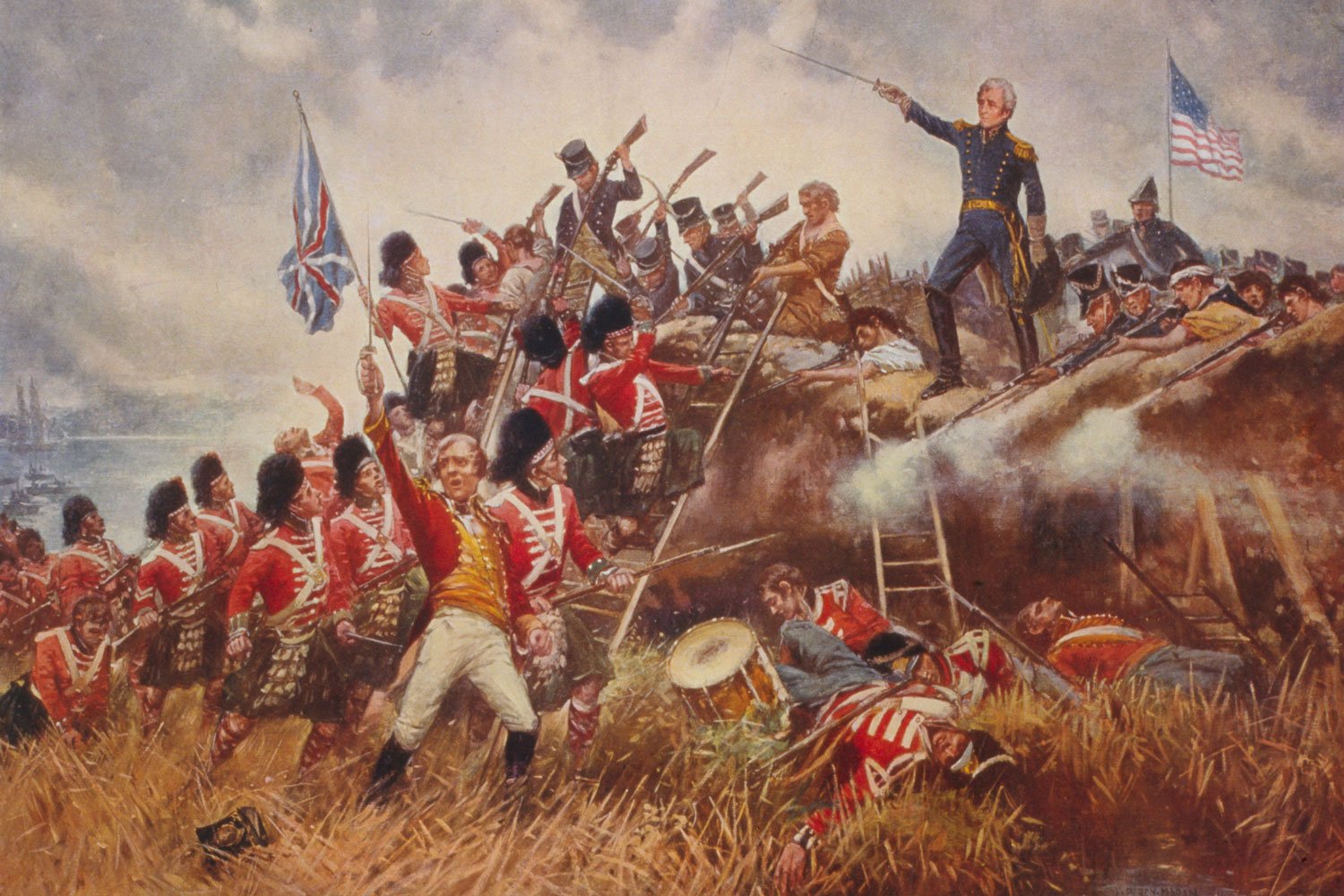
The Battle of New Orleans was really a series of four fights, three of which were already in the books: Jackson's surprise attack on December 23, the failed British assault on December 28, and the artillery duel on New Year's Day. But the one that has been taught to generations of Americans and is best remembered was the fatal attack by British General Sir Edward Pakenham on January 8, 1815.
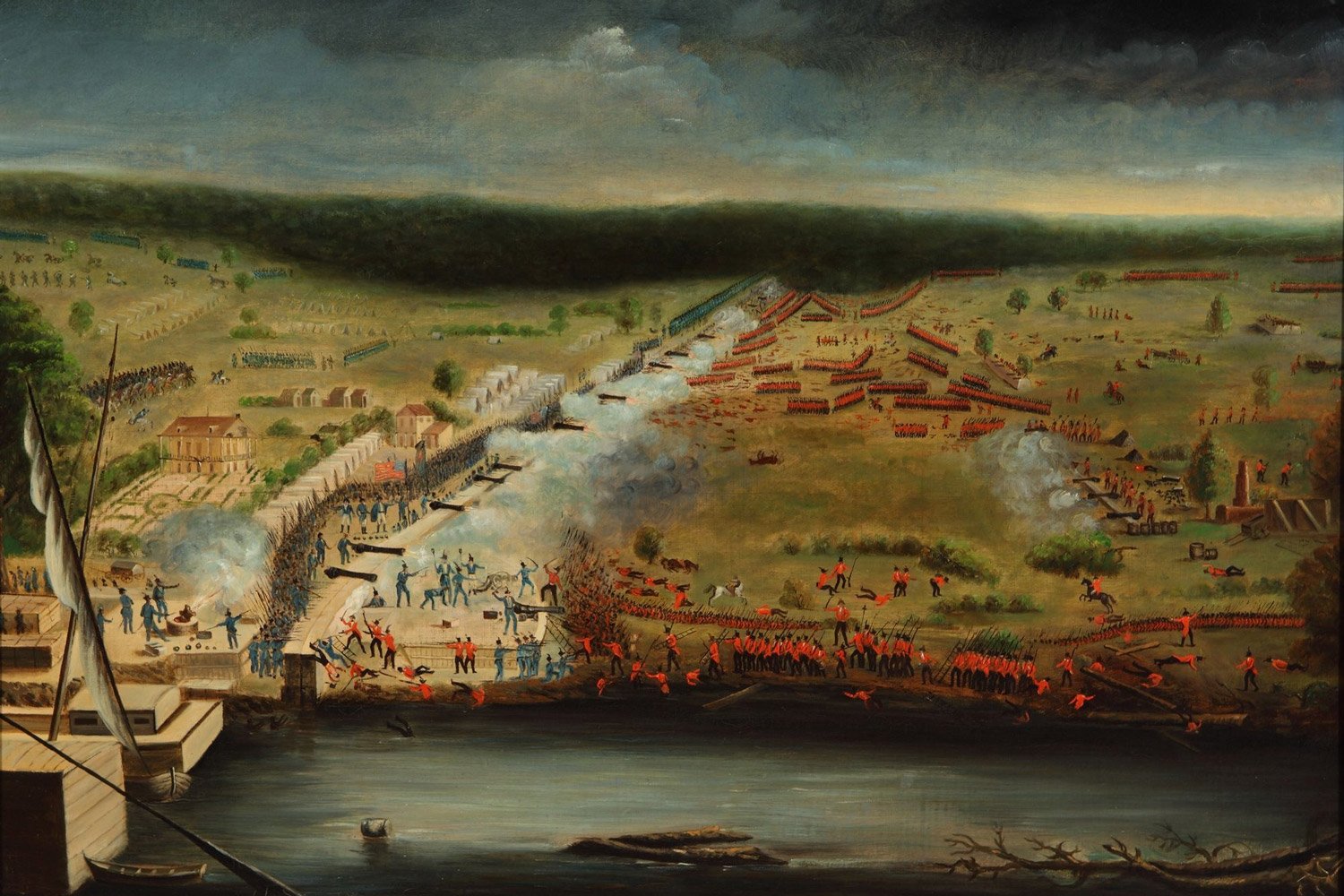
With the British now on the doorsteps of New Orleans but the city's defenses incomplete and the army not yet assembled, it became apparent that General Andrew Jackson had badly miscalculated regarding British intentions and had wasted precious time with his assault on Pensacola and initial focus on Mobile. But Old Hickory remained undaunted and ordered all available forces to march post-haste to the city.
RECENT VIDEOS
Tom Hand explores our nation’s first century and why it matters today.
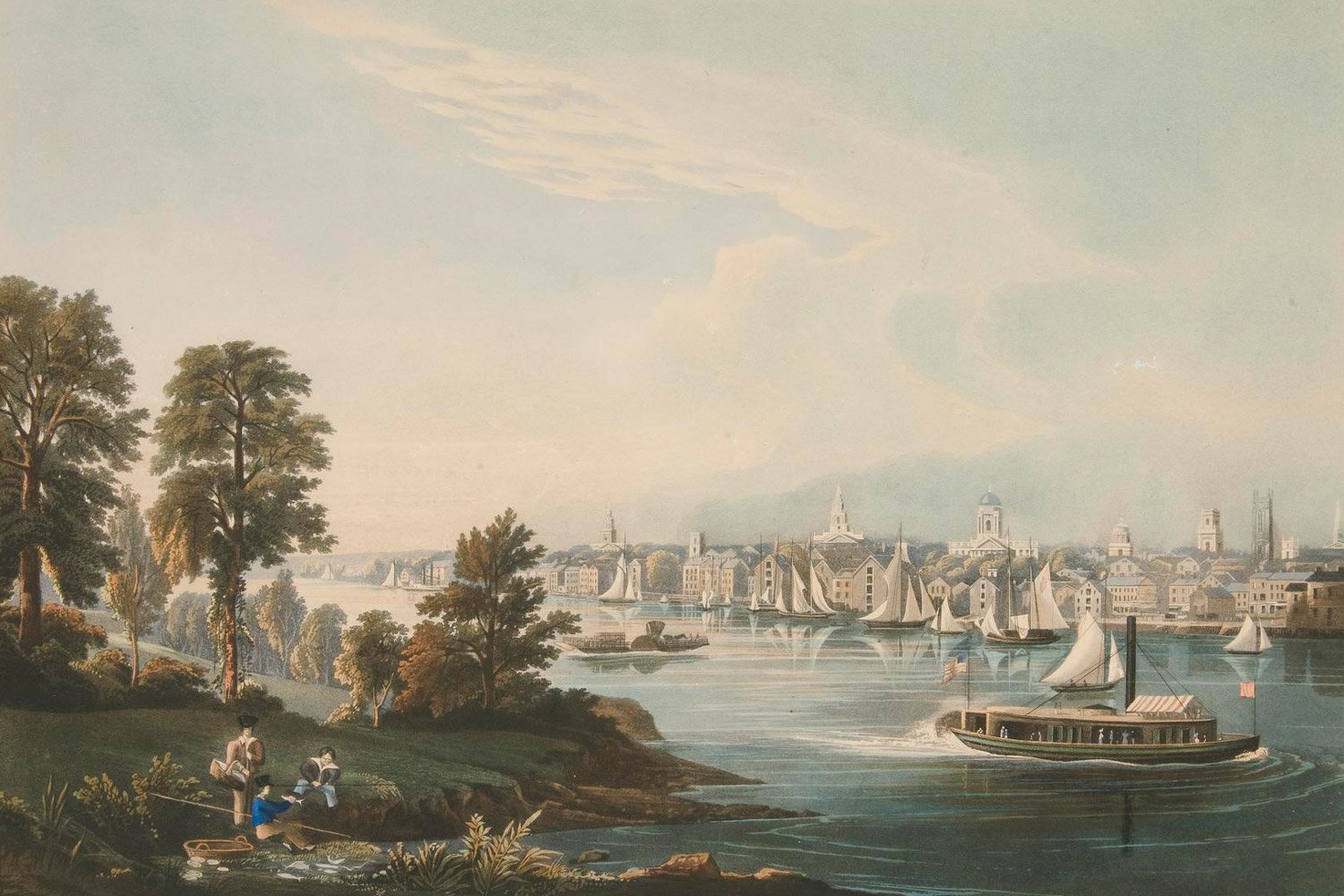
Since the election of 1800 swept Thomas Jefferson and his fellow Democratic-Republicans into office, the Federalist Party had been in a steady decline. This loss of influence in national affairs was especially pronounced with Federalists in New England, who felt helpless to stop Republican anti-trade policies that were especially harmful to their region. Invitations for a convention in Hartford to discuss grievances were sent by Massachusetts Governor Caleb Strong, but only Massachusetts, Connecticut, and Rhode Island dispatched official delegations, while Vermont and New Hampshire declined. The Hartford Convention was chaired by George Cabot and met from December 15, 1814, to January 5, 1815, in closed door sessions, which added to its intrigue.
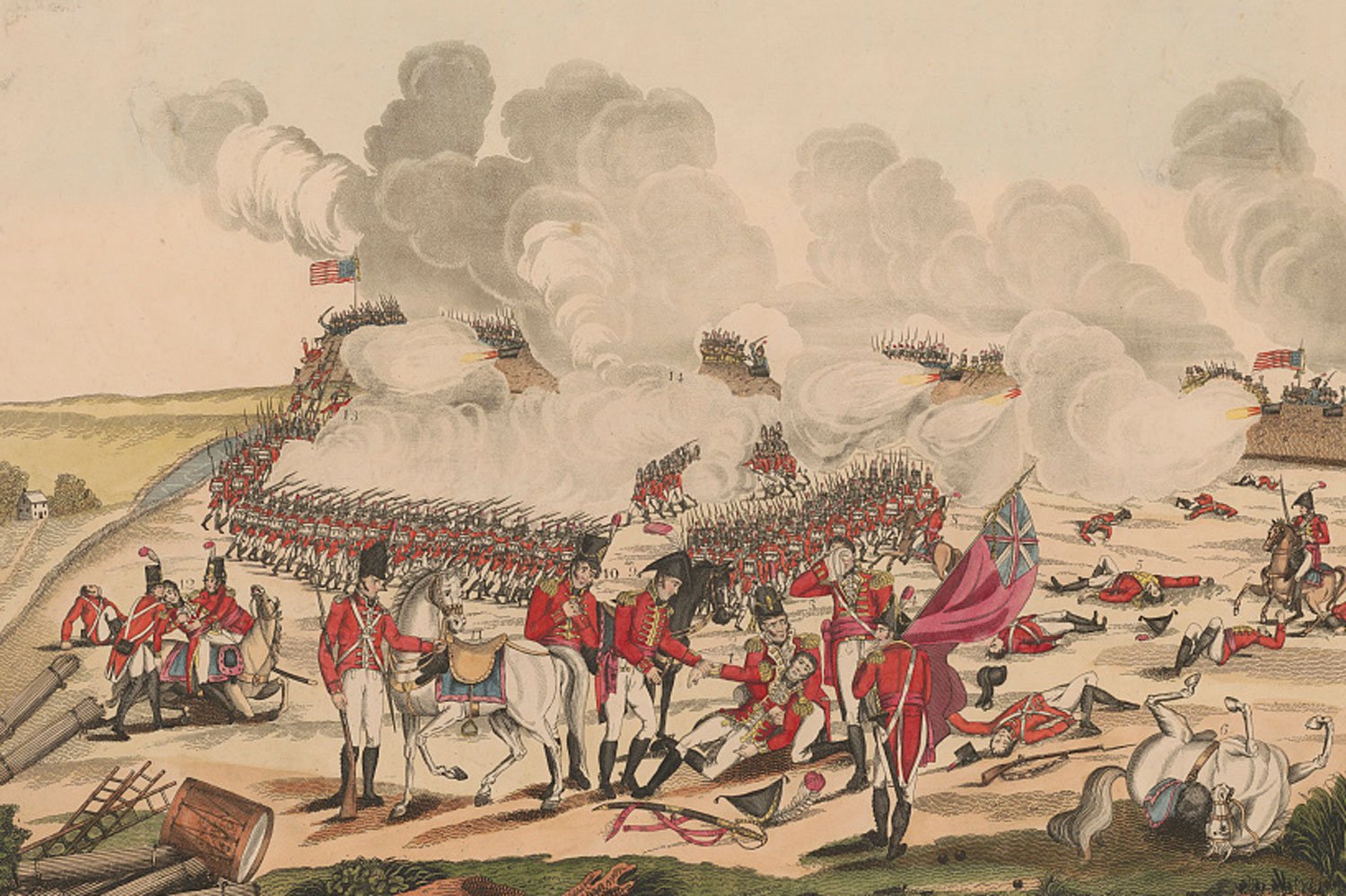
After two weeks of fighting, General Edward Pakenham and his polished British veterans had gotten nowhere against General Andrew Jackson’s roughhewn American army. Unable to bear the shame of what they might say back in London if he retreated, General Pakenham decided to risk it all on one final assault. Pakenham ordered Colonel William Thornton to cross to the west side of the Mississippi to turn Jackson's flank, while another British column attacked the main line. Thornton’s role was key to the plan’s success, but due to countless issues, Thornton did not reach his destination until the outcome of the main battle had already been decided. Shortly after midnight on January 8, 1815, General John Keane and General Samuel Gibbs moved their divisions quietly forward to within several hundred yards of the American position. As morning dawned, nothing was heard from Thronton across the river. At this point, General Pakenham should have called off the attack and waited for another day, but he felt compelled to take his chances and gave the order to advance.
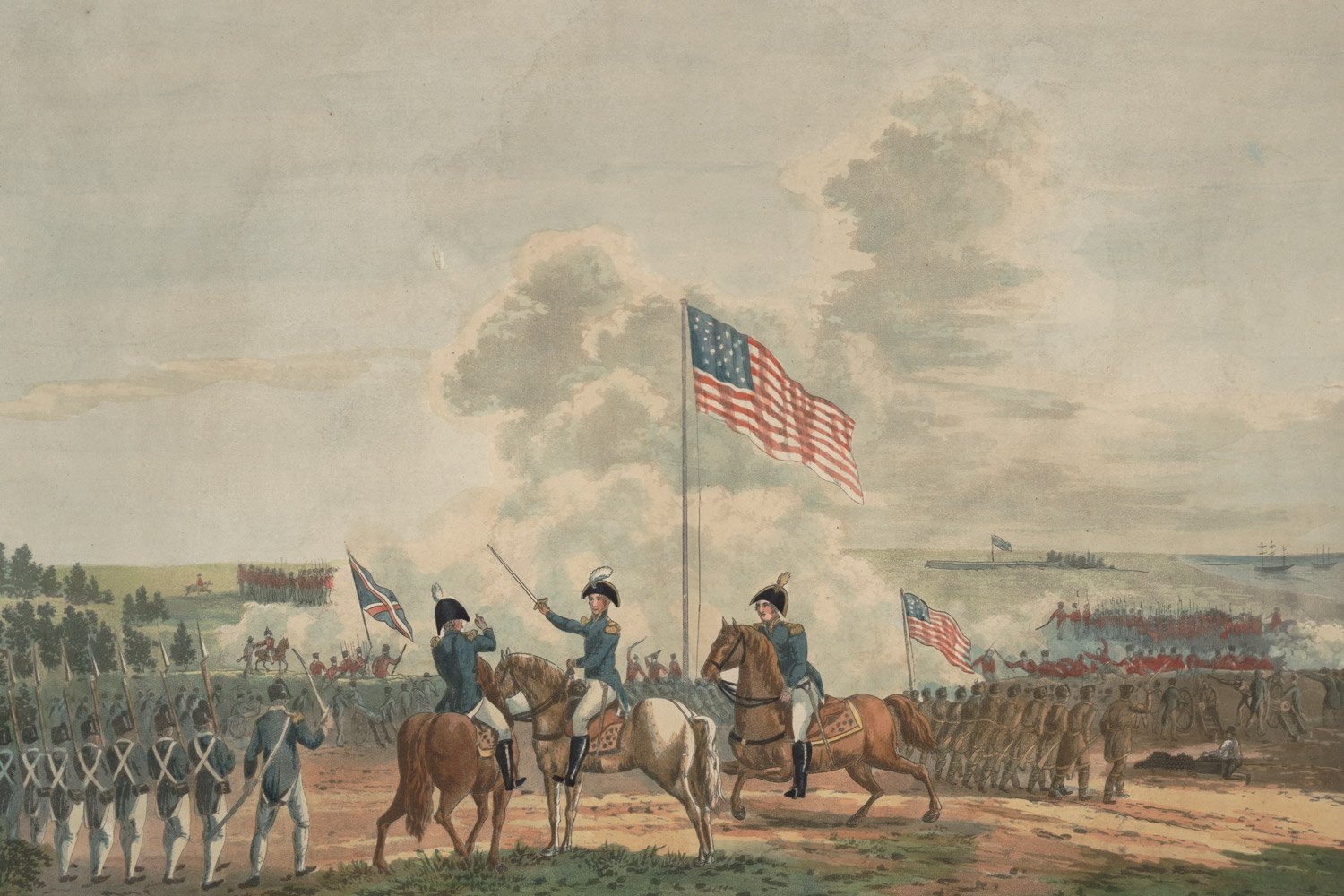
The British advance guard of 1,800 men led by General John Keane arrived undetected onto the Villere plantation the morning of December 23, 1814, a mere twelve miles from New Orleans. General Andrew Jackson, the American commander, was notified later that morning and his fighting blood was instantly up; two hours later, Jackson was on the road at the head of 2,000 men and an artillery battery of six-pounders. Jackson attacked the unsuspecting British encampment that night, with the fight descending into brutal hand-to-hand combat. Five days later, General Keane’s Redcoats attacked the American center, while General Samuel Gibbs led a detachment against the American left.
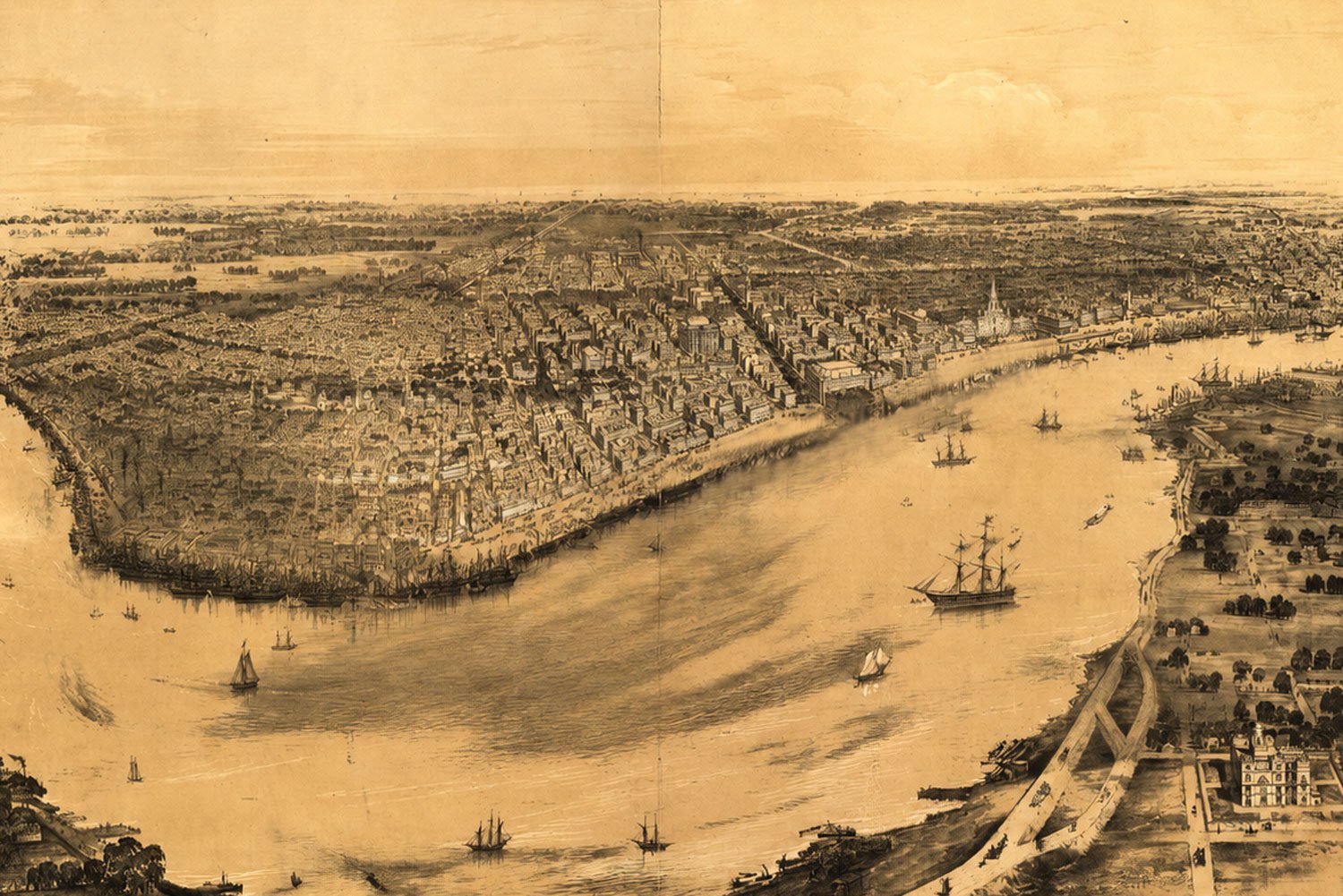
In November 1814, Admiral Alexander Cochrane, General Edward Pakenham, and a British army of 7,000 veterans sailed from Jamaica for New Orleans. Major General Andrew Jackson, commander of American forces, was convinced any attack on New Orleans must come through Mobile and decided to strengthen the defenses of Fort Bowyer, which guarded the entrance to Mobile Bay. When British ground forces attacked the fort on September 15, the Americans repulsed the attack and forced Nichols to retire to Pensacola. Jackson then decided to take the fight to the British and captured Pensacola, a Spanish possession, on November 7. Jackson finally left for New Orleans and arrived on December 2 to find a city ill-prepared to withstand an assault.
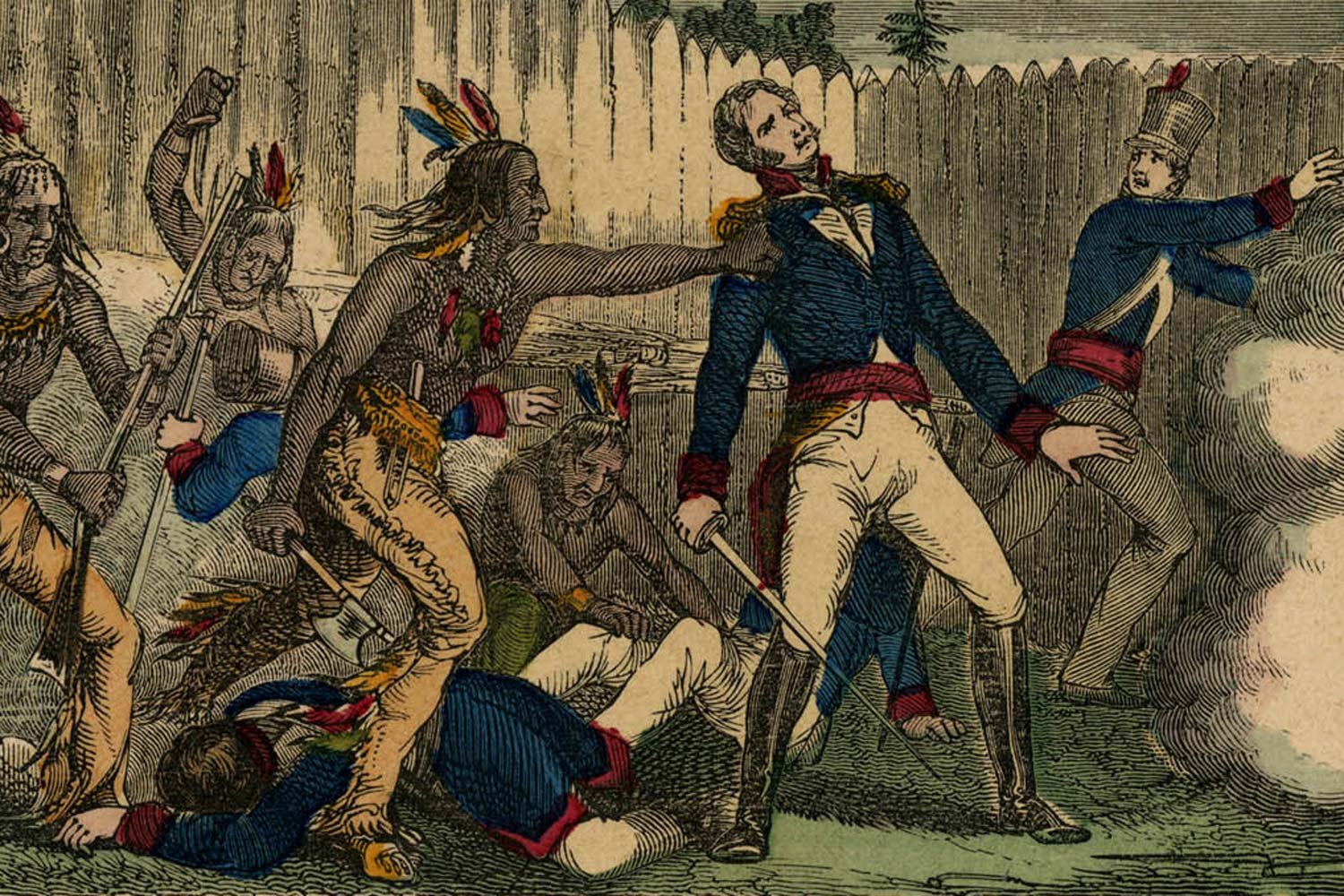
In 1812, the Creek, or Muskogee, Indians occupied much of today’s Alabama and southwest Georgia and enjoyed good relations with the United States. Its population was estimated at 20,000, a quarter of which were fighting age warriors. In early 1813, a civil war erupted between the Upper and Lower towns with warriors from the Upper towns taking up the “red stick,” or war club, against American settlers leading to the massacre of Fort Mims, while those in the Lower towns maintained their allegiance to the federal government. After months of fighting, led by General Andrew Jackson, the Battle of Horseshoe Bend was a crushing defeat that both avenged the massacre at Fort Mims and marked the end of Creek resistance. Jackson forced the remaining Creeks, many of whom had sided with the Americans during the war, to sign the Treaty of Fort Jackson, which appropriated to the federal government most of the Creek nation, over 23 million acres.
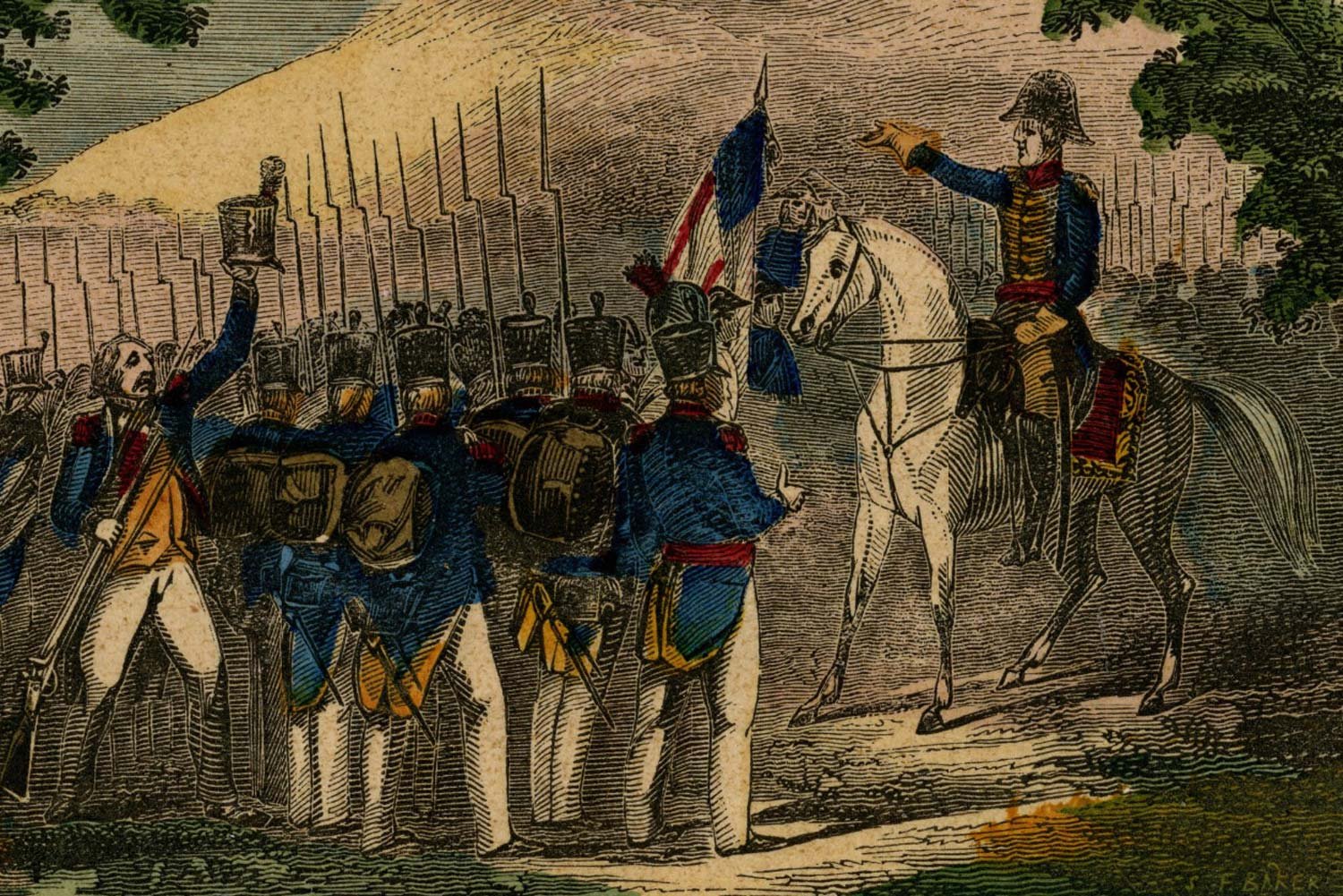
Ever since the Treaty of Paris in 1783 ended the American Revolution, Americans had wanted to add Spanish Florida to the United States to expand the country and gain easy access to the Gulf. When war was declared on Great Britain in 1812, President James Madison decided to end the controversy and simply seize all of Florida. In January 1813, General Andrew Jackson sent his infantry down the Cumberland River from Nashville on flatboats and dispatched Colonel John Coffee and a troop of cavalry by land to Natchez, the rendezvous point of the army. But the Senate, led by Senator Samuel Smith, refused to authorize the conquest, and Jackson was ordered to dismiss his army. Jackson was disappointed that his chance for martial glory was over, but another opportunity arose a few months later when a band of Creek Indians went on the warpath.
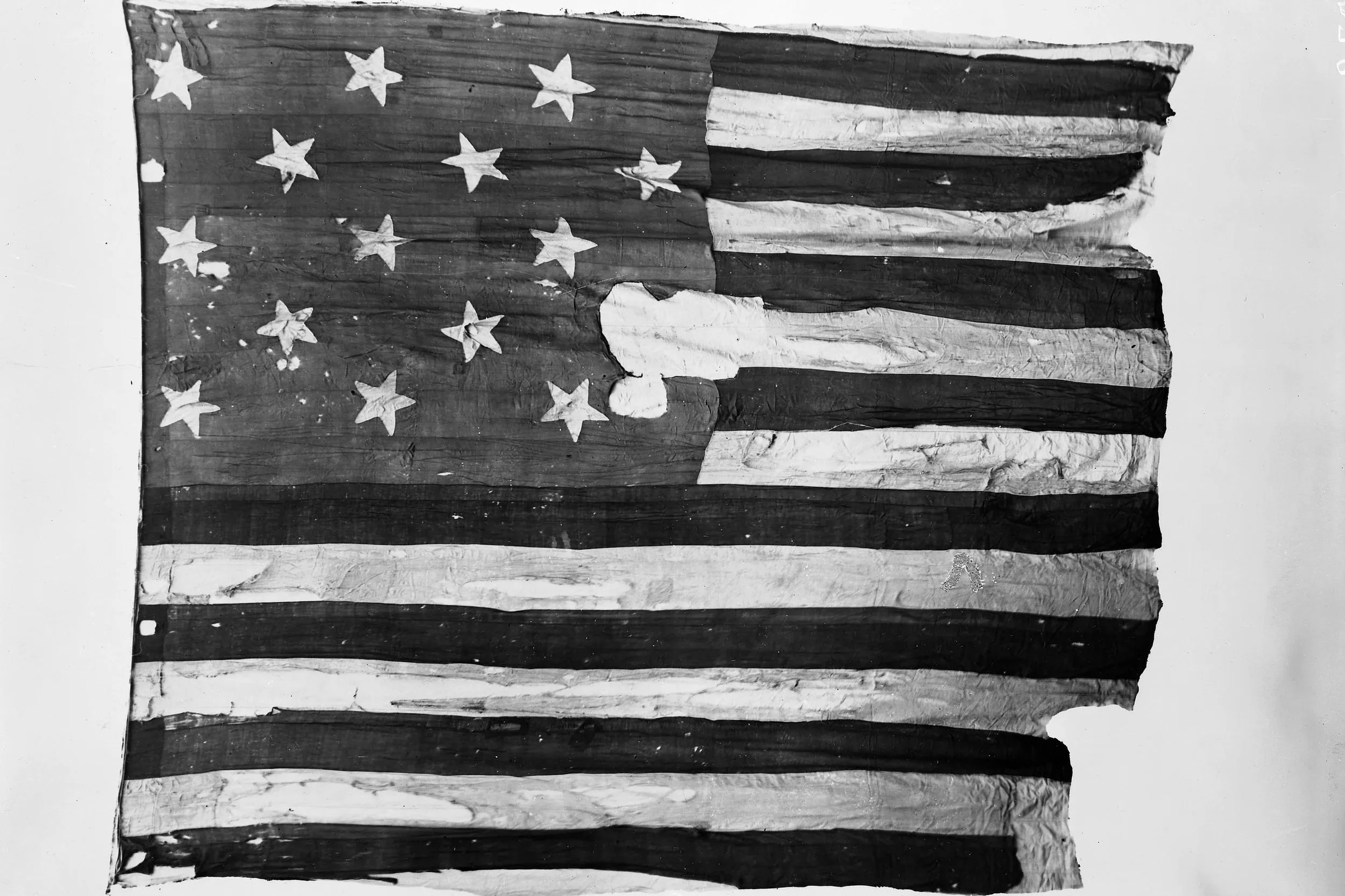
Francis Scott Key’s inspiration for writing the Star-Spangled Banner came about due to the oddest circumstances. Doctor William Beanes, a 65-year-old physician, had been thrown into the brig aboard HMS Tonnant by British General Robert Ross for Beanes’ role in capturing some British stragglers during their advance on Washington. Key, a charming Georgetown lawyer, visited Ross on September 7 to plead for Beanes’ release. Although Key was successful, Admiral Alexander Cochrane refused to release Key and Beanes until after the Battle of Baltimore. Key was returned to his vessel roughly eight miles from Fort McHenry, and it was from this modest sloop that he followed the action with his spyglass. Throughout that long day and into the night, Key watched the bombardment with dreaded anticipation but, shortly after dawn on September 14, the morning sky brightened and the American flag became visible against the clouds.
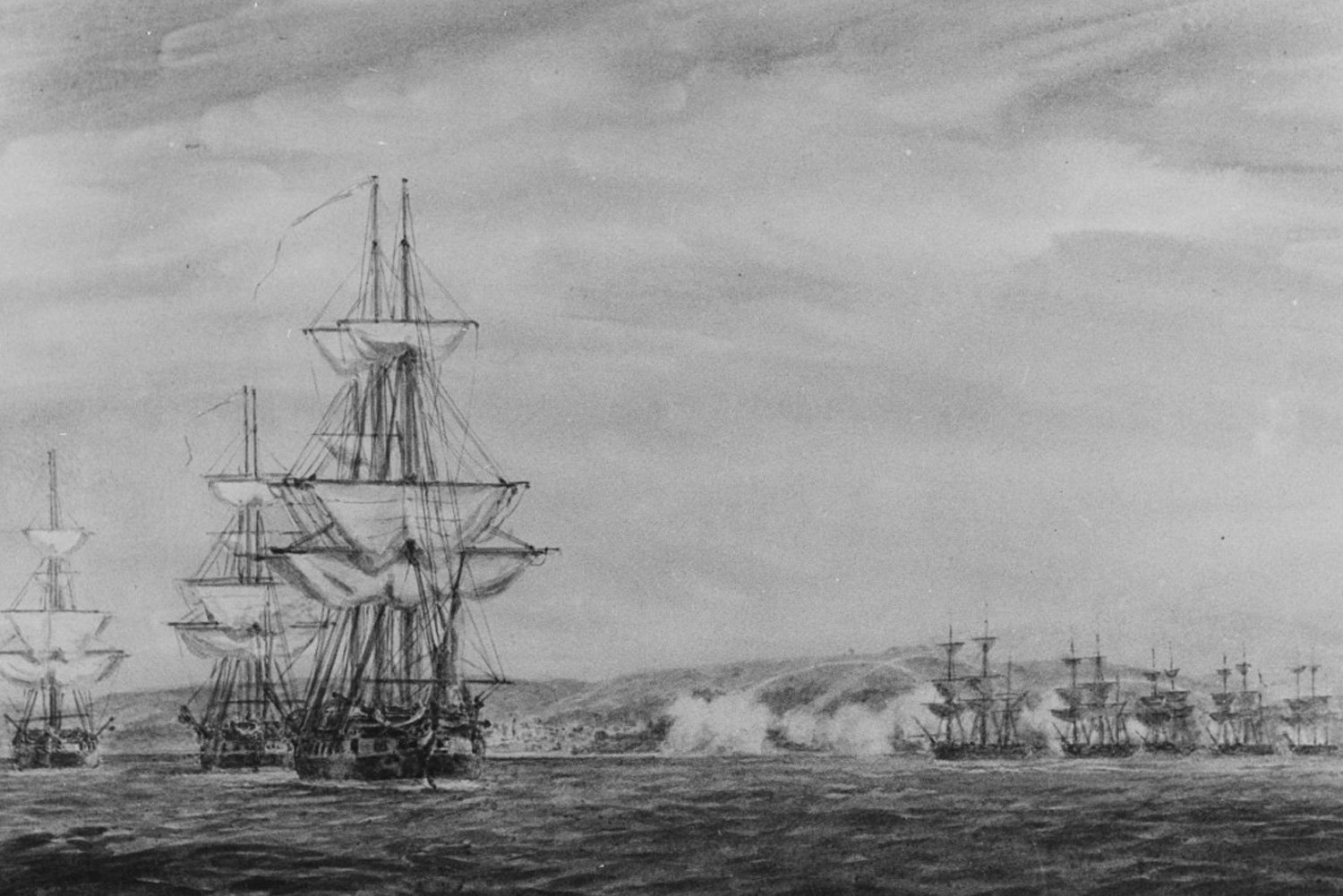
After burning Washington on August 24, 1814, the next target for the British was Baltimore, with its tremendous ship building facilities. The British landed east of the city at North Point and General Samuel Smith, commander of the American forces, sent a brigade under General John Stricker to check their advance. On September 12, the British commenced their assault, but the American militiamen did not run as they had at the Battle of Bladensburg. For nearly two hours, they put up a stout defense before the British veterans drove them from the field. The next day, British Admiral Alexander Cochrane commenced a bombardment of Fort McHenry, which guarded Baltimore’s inner harbor. Shortly after midnight, the bombardment increased in intensity and, for the next three hours, the red glare of rockets and shells bursting over Fort McHenry provided an incredible sight.
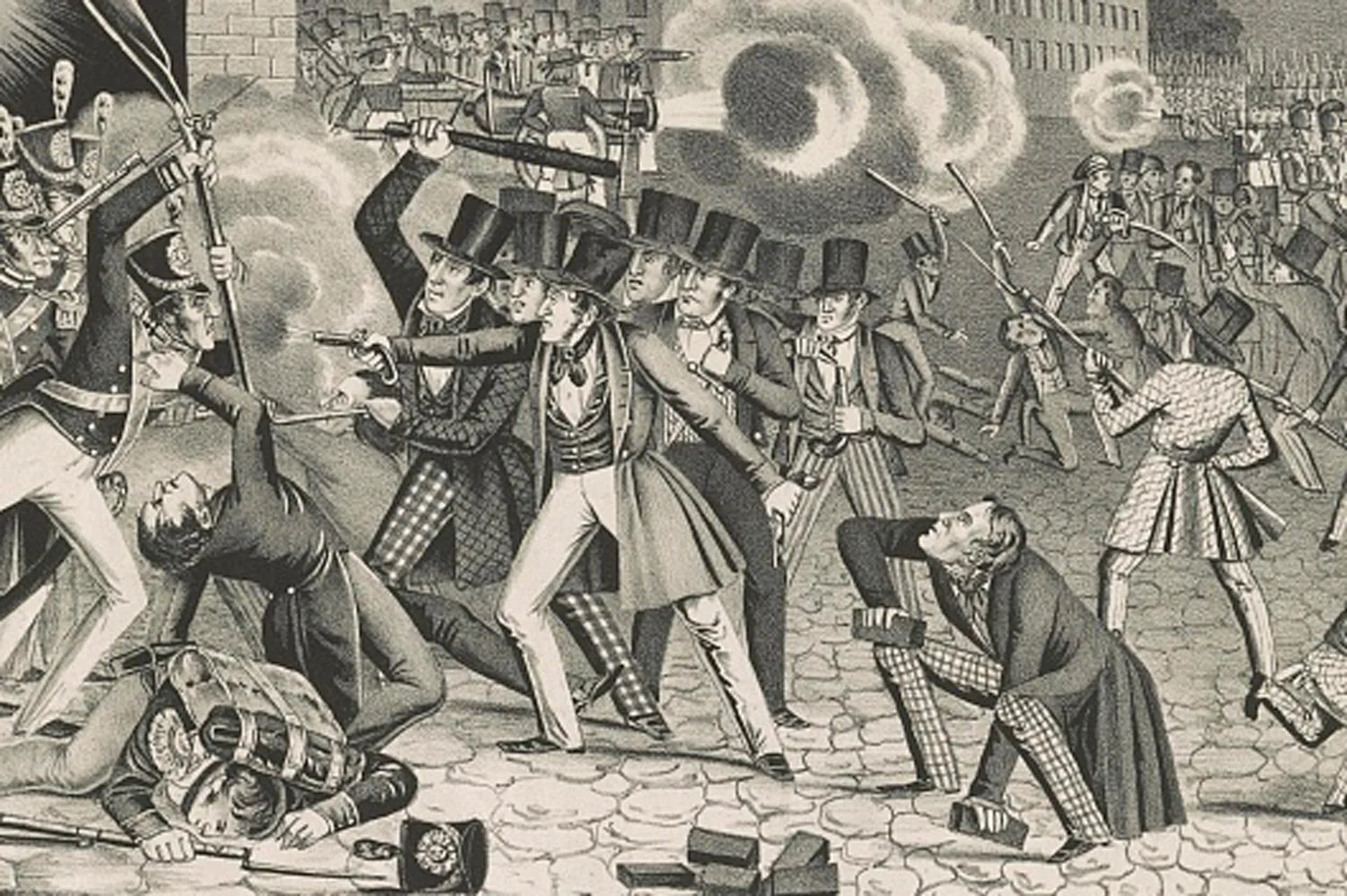
Perhaps the most pro-Republican city in America in 1812 was Baltimore. Despite being in the minority, Alexander Hanson published a spirited Federalist newspaper called the Federal Republican, in which Hanson declared he would use “every constitutional argument and every legal means” to oppose the war recently declared by Republicans in Congress. His comments angered those who congregated in the local pubs, and on June 20, 1812, a mob tore down the building in which the Federal Republican was housed. For several weeks, violence against Federalists continued. Although the violence in Baltimore was the worst the country witnessed, Jeffersonian Republicans across the country shut down newspapers that dared criticize the war or the Madison administration.
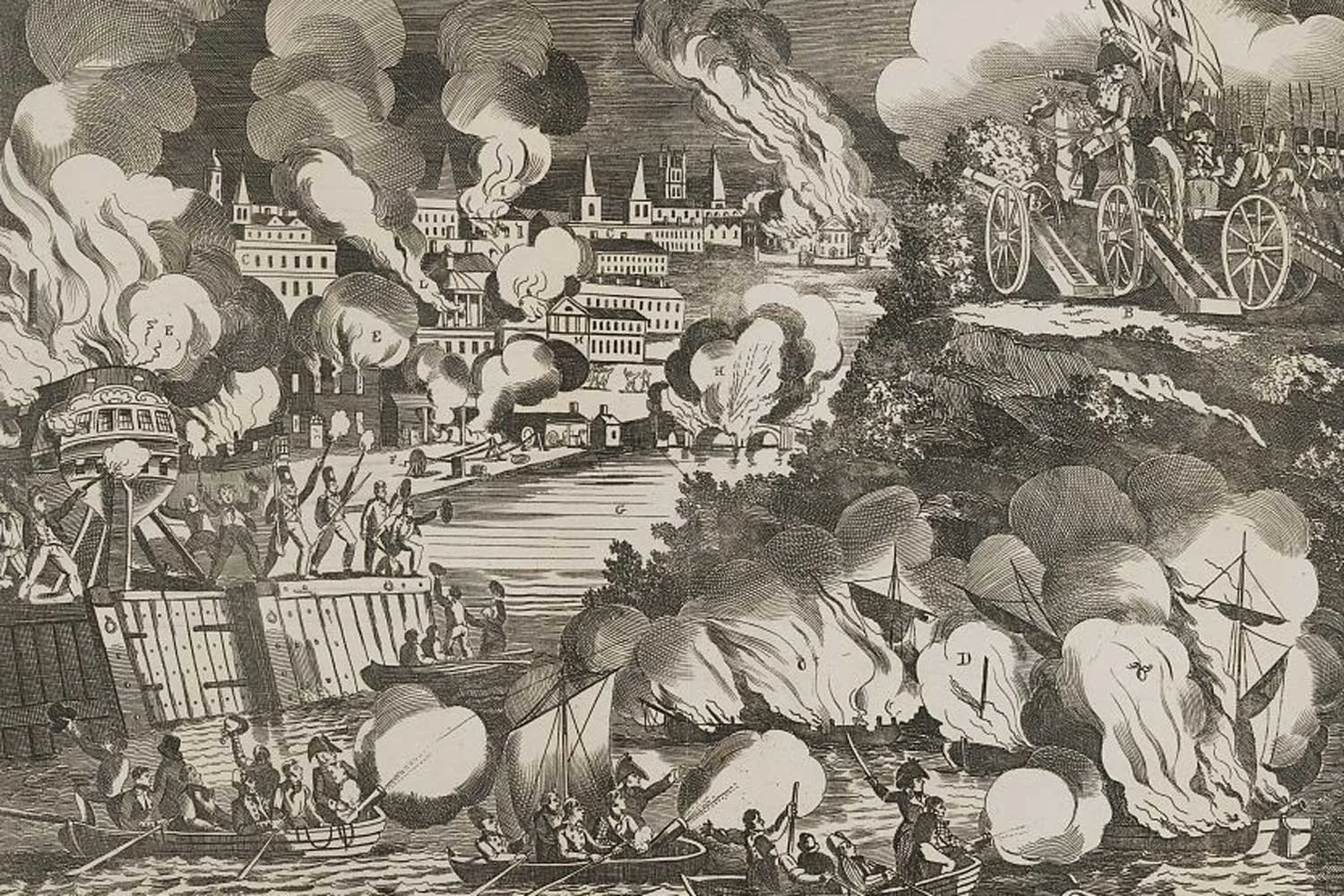
Around 4 p.m. on August 24, 1814, First Lady Dolley Madison received a note from the president informing her that the Battle of Bladensburg was lost and to flee at once. As twilight descended on Washington, the British arrived on the outskirts of the city looking for a delegation to negotiate the surrender of the capital. But while waiting for city officials, someone fired at their party from an adjacent house, killing two men and shooting General Robert Ross’s horse out from under him. And with that, any spark of kindness that the British had considered was extinguished. The British first turned their attention to Capitol Hill, firing rockets into a pile of anything that could burn. Then they marched to the President’s House, setting fire to it, the State, War, and Navy department building, and finally what was left of the Washington Navy Yard. The Washington fires burned so brightly that the glow was visible in Baltimore forty miles away.
FEATURED SERIES
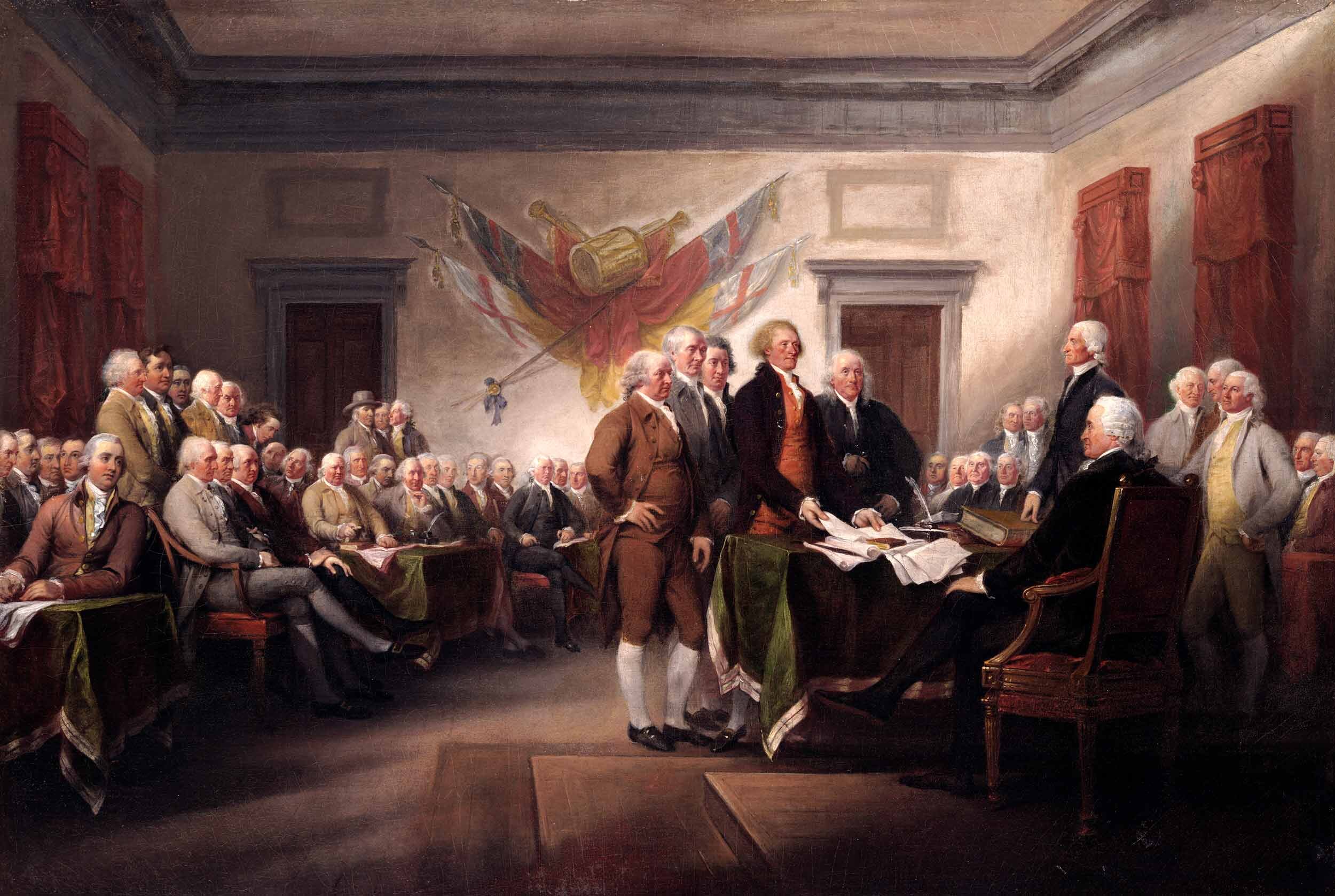
On May 15, 1776, the fifth Virginia Convention meeting in Williamsburg passed a resolution calling on their delegates at the Second Continental Congress to declare a complete separation from Great Britain. Accordingly, on June 7, Richard Henry Lee rose and introduced into Congress what has come to be known as the Lee Resolution.
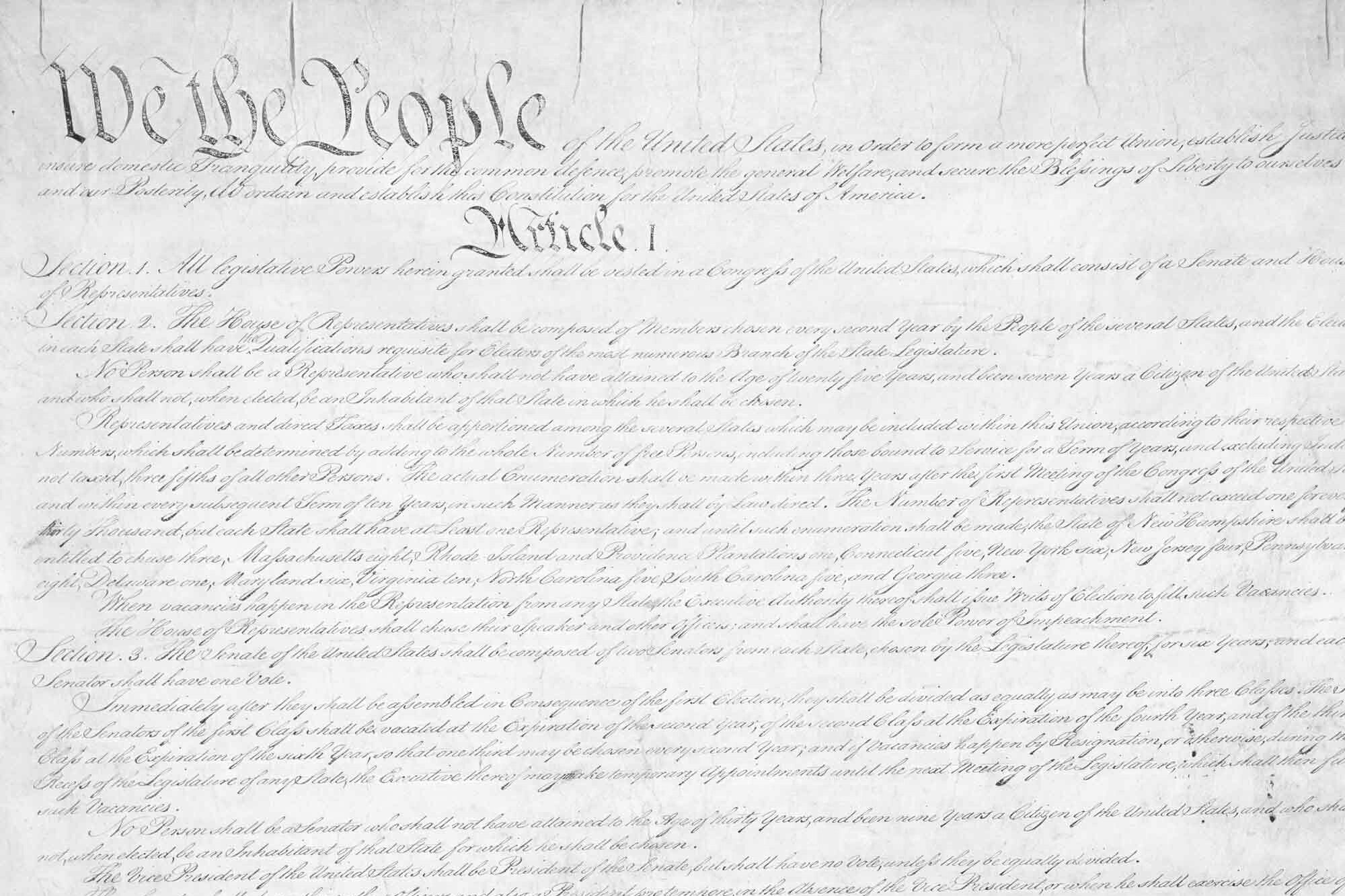
The opening phrase of the preamble, “We the People,” spoke volumes regarding upon whose authority the Constitution rested and suggested the unanimity of country and purpose that this new Constitution would create. It was written by Gouverneur Morris, a delegate from New York, and his eloquent words speak for themselves.
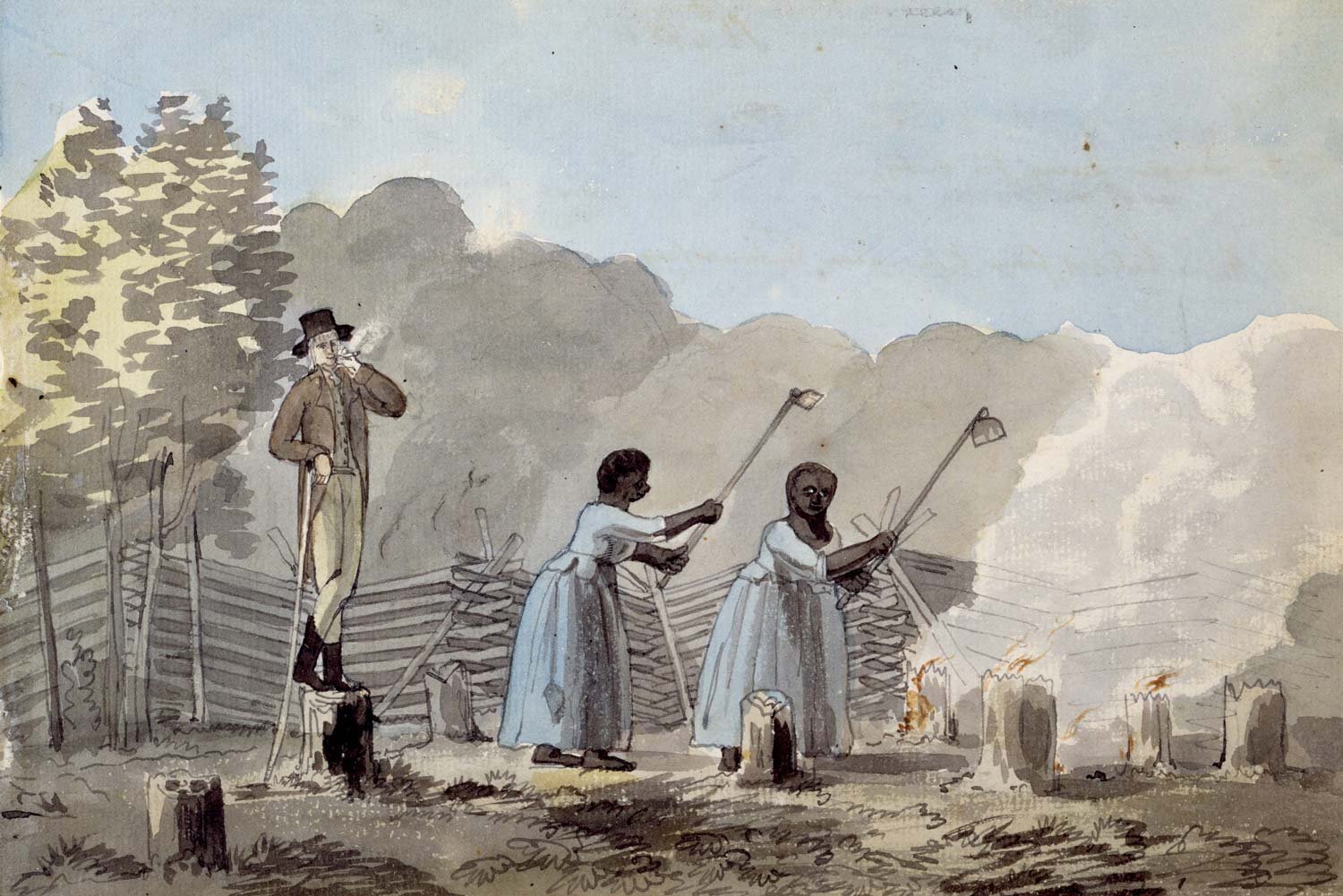
When delegates met at the Constitutional Convention in Philadelphia in the summer of 1787, one of the most troublesome questions was what to do about slavery. Not whether it should be abolished, because even the most vehement abolitionist recognized this was neither the time nor the place for that fight. The issues to be decided were how would slaves be counted in the census and whether the states or the central government would control the institution, and what that control would look like.
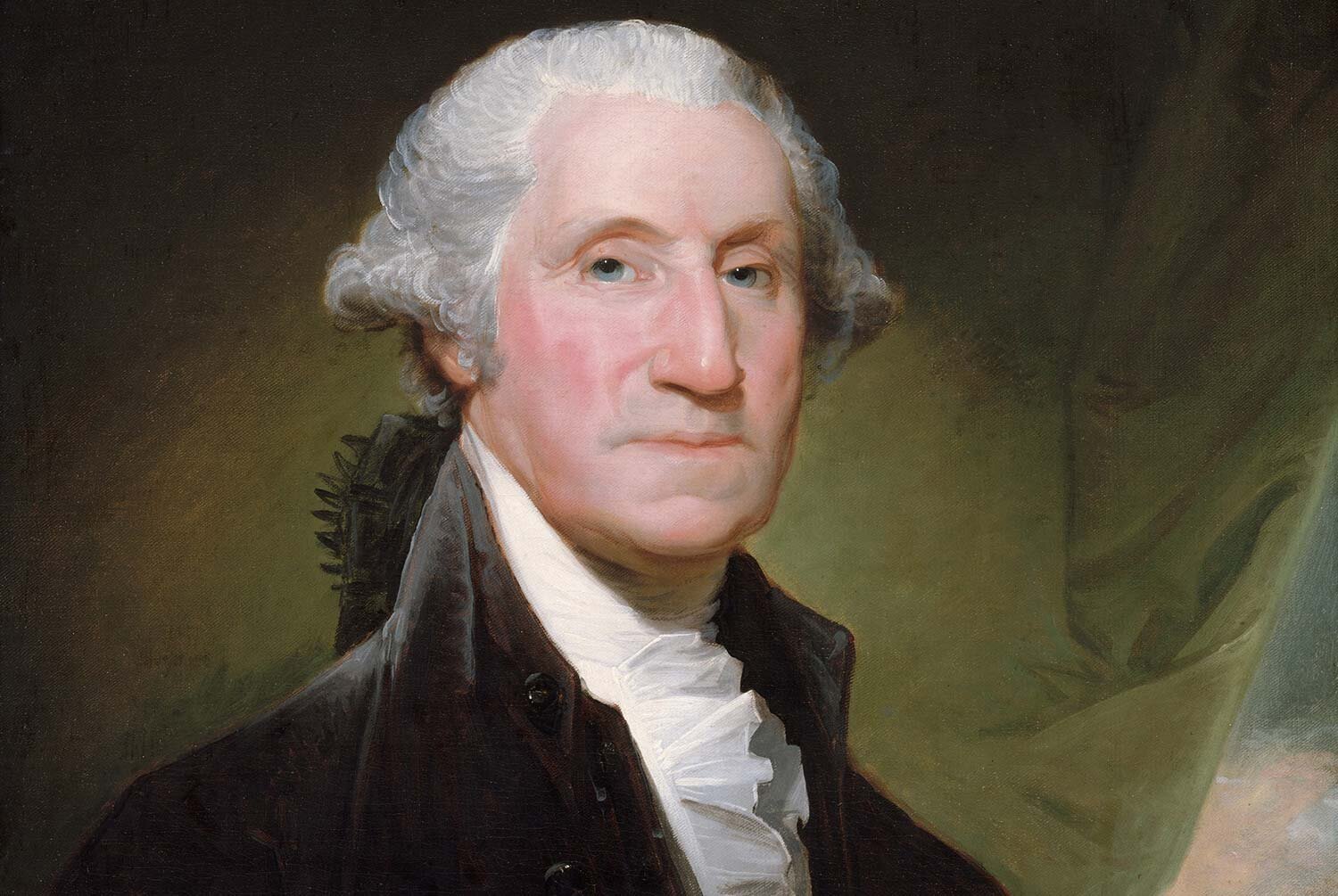
On May 29, 1787, Edmund Randolph, Governor of Virginia, rose and introduced fifteen resolutions to the Federal Convention. Known to history as the Virginia Resolves or the Virginia Plan, Randolph’s proposal, which was probably drafted by James Madison, was an outline for an entirely new national government. It called for a national executive, a two-house national legislature, and a national judiciary.

In the years immediately following the successful conclusion of its war for independence, the United States struggled to survive under the Articles of Confederation. The nation’s leaders knew something had to be done to fix its many issues for this great experiment in democracy to continue.
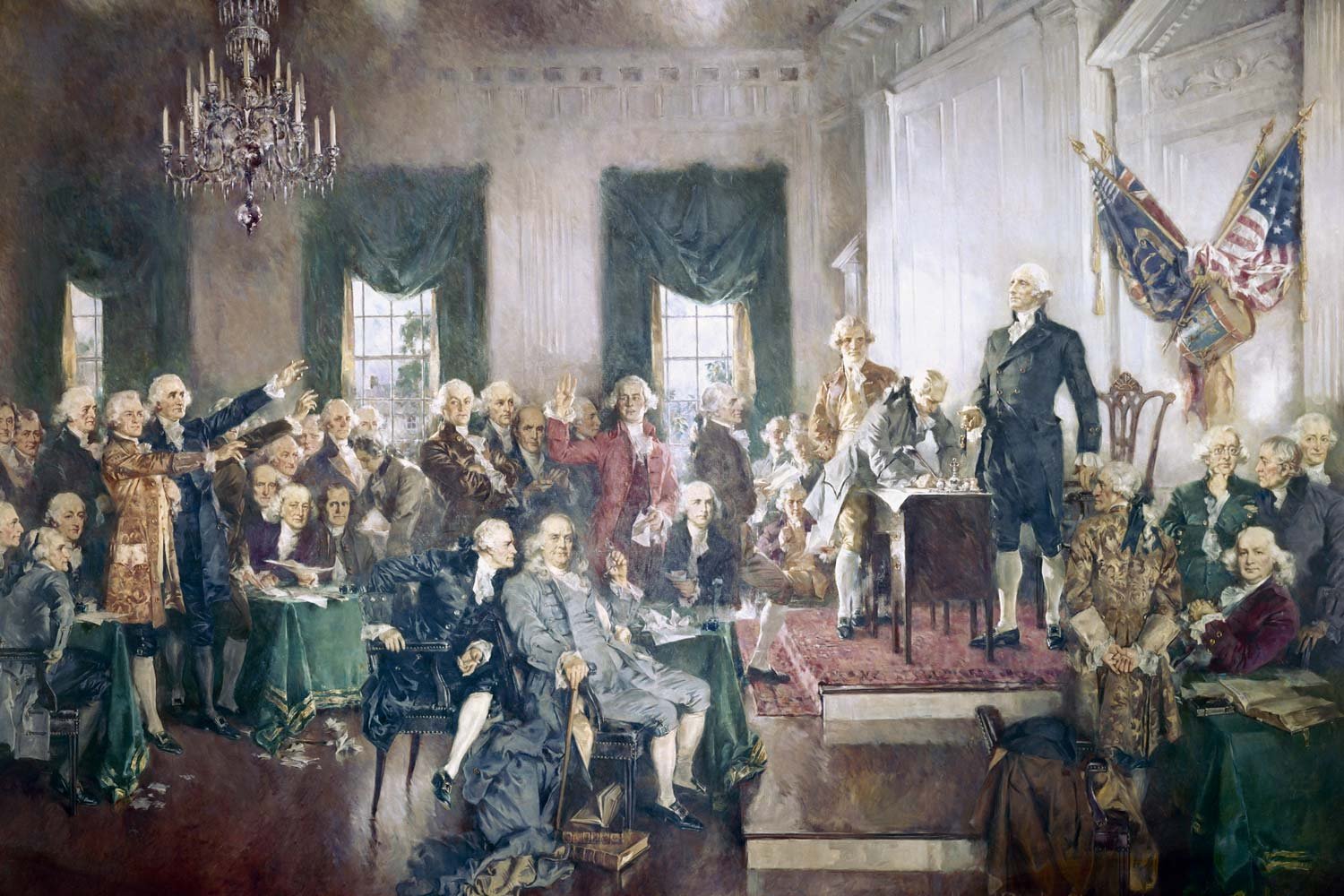
In 1785, Franklin, his work done in France, was recalled to America by Congress. He arrived in Philadelphia that September, revered as one of our nation’s greatest patriots. Despite his need for a well-deserved rest, he was kept continually busy receiving dignitaries, wrapping up loose ends from his eight-year diplomatic mission, and with what would prove to be one final opportunity to help his country.
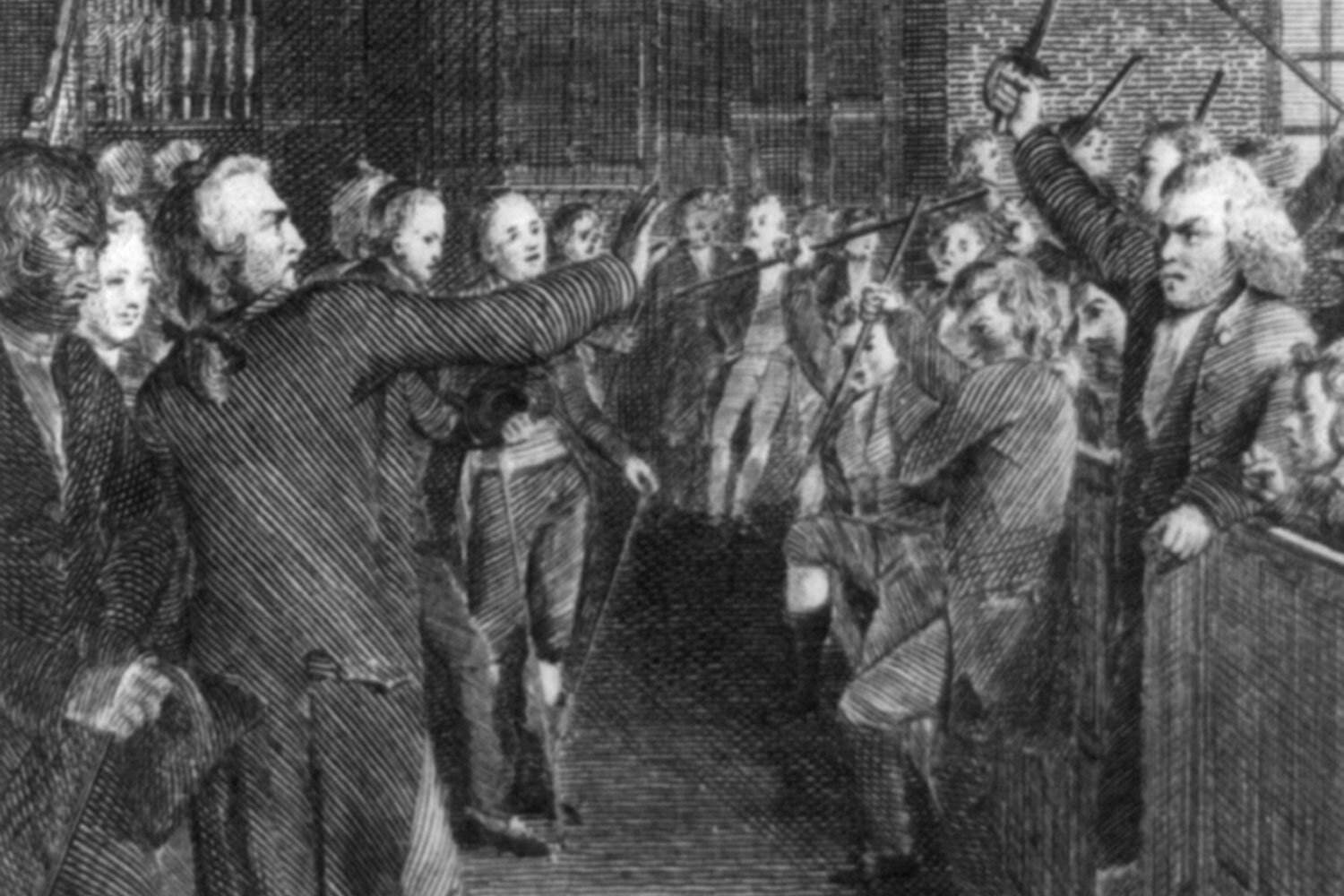
The Tenth Amendment is one of the true foundational amendments of our Constitution. It reserves for the states all rights not granted to the national government by the Constitution, guaranteeing a federalist type of administration.
The Ninth Amendment is one of the two backbone amendments of our Constitution, the Tenth being the other one. It is the amendment that reserves for the people all rights not expressly granted to the government, whether those rights are enumerated or not.

The Eighth Amendment helps make our criminal justice system more just for those accused or convicted of criminal behavior. It is comprised of three rights, each of which plays a part in protecting Americans from a harsh and overly ambitious government.

The Seventh Amendment formally established the rules governing civil trials, as opposed to criminal cases. Its main purpose was to distinguish between the responsibilities of the courts which decided the meaning of laws and those of juries which decided matters of facts as presented in a case.
The War of 1812 was arguably the most partisan war in our nation's history, with virtually all Federalists across the country opposing what they dubbed “Mr. Madison’s War” and all Republicans supporting it. This difference in sentiment was pronounced and led to many ugly confrontations such as the Baltimore riots of 1812. But nowhere was opposition to the war more strongly manifested than in New England, the last bastion of the Federalist party.